
Illinois HB3392 Signals Heightened Disaster Preparedness Requirements for Assisted Living

Illinois HB3392 Signals Heightened Disaster Preparedness Requirements for Assisted Living
What Operators Need to Know
Illinois House Bill 3392 is proposing significant updates to the Assisted Living and Shared Housing Establishments Act, strengthening disaster preparedness, evacuation planning, and drill requirements for Assisted Living Facilities (ALFs) and Supportive Living communities.
While the bill is currently re-referred to the Rules Committee, its language reflects a broader national trend: regulators are increasing expectations around emergency planning, documentation, and real-world preparedness.
For healthcare organizations, now is the time to review policies and stress-test systems.
Key Provisions of HB3392
The bill would require each establishment to:
1. Maintain a Comprehensive Written Emergency Plan
The plan must address:
Protection of all persons during disasters
Shelter-in-place protocols
Evacuation to areas of refuge
Full building evacuation when necessary
Special accommodations for residents with physical and cognitive needs
Amendments whenever residents with unusual needs are admitted
2. Address Specific Environmental and Operational Scenarios
The emergency plan must also include procedures for:
Temporary relocation during disasters
Tornado and severe thunderstorm response
Temperature drops below 55°F for 12+ hours
Heat index exceeding 80°F indoors
Power outages
Flood contingencies (if located in a floodplain)

Check out CHUG’s Emergency Tip Sheets
Use these as:
An 𝐈𝐧𝐭𝐞𝐫𝐧𝐚𝐥 𝐑𝐞𝐬𝐨𝐮𝐫𝐜𝐞: Share within your organization to enhance overall preparedness
Part of the 𝐀𝐝𝐦𝐢𝐬𝐬𝐢𝐨𝐧𝐬 Process: Integrate these to reassure prospective clients that safety is a top priority
𝐄𝐦𝐞𝐫𝐠𝐞𝐧𝐜𝐲 𝐎𝐩𝐞𝐫𝐚𝐭𝐢𝐨𝐧𝐬 𝐏𝐥𝐚𝐧 (𝐄𝐎𝐏) Additions: Use these to ensure comprehensive preparedness across all levels of your organization.
𝐃𝐨𝐰𝐧𝐥𝐨𝐚𝐝 𝐭𝐡𝐞 𝐂𝐇𝐔𝐆 𝐒𝐚𝐟𝐞𝐭𝐲 𝐚𝐧𝐝 𝐄𝐦𝐞𝐫𝐠𝐞𝐧𝐜𝐲 𝐓𝐢𝐩𝐬 𝐟𝐨𝐫 𝐜𝐨𝐧𝐯𝐞𝐧𝐢𝐞𝐧𝐭 𝐩𝐫𝐢𝐧𝐭𝐢𝐧𝐠 𝐚𝐧𝐝 𝐞𝐚𝐬𝐲 𝐚𝐜𝐜𝐞𝐬𝐬 𝐚𝐭 𝐲𝐨𝐮𝐫 𝐟𝐚𝐜𝐢𝐥𝐢𝐭𝐲.
These requirements move beyond general disaster language and specify measurable environmental thresholds.
Increased Drill Requirements
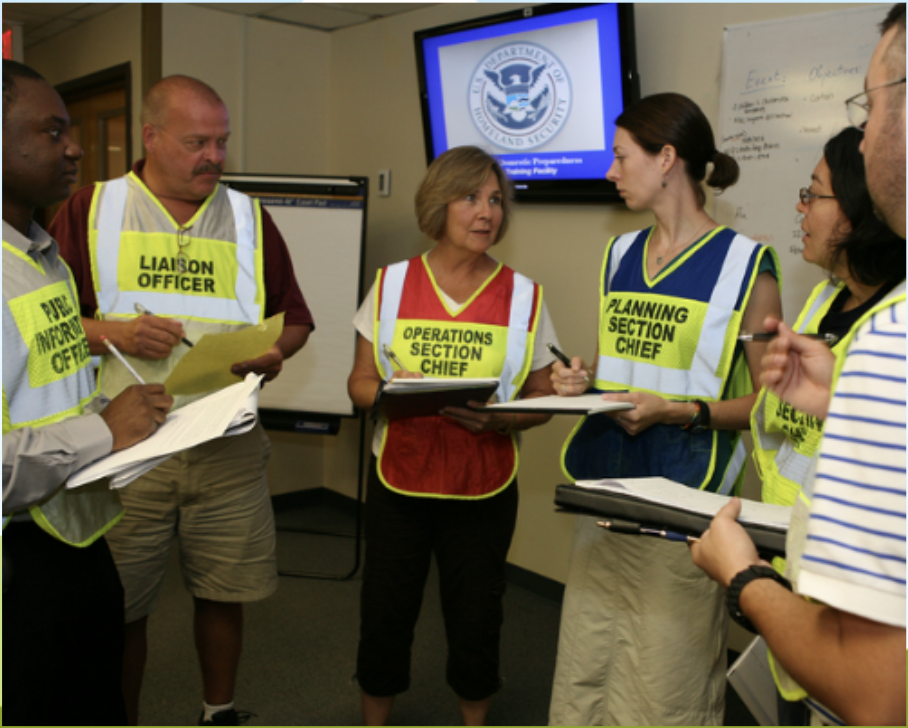
Under HB3392, facilities would be required to:
Conduct at least 6 drills annually (bi-monthly)
Conduct at least 2 night drills involving staff only while residents are sleeping
Vary drill conditions to ensure full-shift competency
Evaluate the effectiveness of plans, procedures, and training
Drills must involve actual evacuation to assembly points unless a fire department-approved shelter-in-place protocol exists.
Importantly, the bill defines “evacuation capability of impractical” for facilities serving residents with severe mobility limitations — acknowledging operational realities while maintaining safety expectations.
Did you know?
When you join CHUG, your organization becomes part of our expansive mutual aid system that provides emergency mitigation, prevention, protection, response and recovery services. Whether you need help preparing for Life Safety surveys, assistance with mutual aid evacuation, transportation relocation, sheltering-in-place, restoration or recovery, CHUG’s unique collaborations support your organization’s best interests.
Why This Matters Beyond Illinois
Illinois is not operating in isolation.
Across the country, post-pandemic regulatory reviews, climate-related disasters, and high-profile facility emergencies have prompted lawmakers to strengthen oversight of:
Environmental controls
Emergency documentation
Drill frequency
Staff competency validation
Real-world evacuation capabilities
Even if HB3392 does not pass in its current form, similar legislative patterns are emerging nationally.
There are Operational Implications for Assisted Living Providers

If enacted, facilities may need to:
Reassess environmental monitoring systems
Update emergency plan documentation
Increase training frequency
Adjust staffing models for night drill compliance
Evaluate evacuation classifications
Coordinate more closely with local fire departments
Facilities that proactively align now will be better positioned to avoid compliance risk later.
Preparedness is no Longer a Paper Exercise
The direction of regulation is clear: emergency preparedness must be actionable, measurable, and practiced under realistic conditions.
For operators, this is an opportunity not just to comply, but to demonstrate commitment to resident safety, operational resilience, and regulatory readiness.
CHUG is ready to support communities seeking structured, compliant, and realistic emergency preparedness solutions.
The key to successfully mitigating any emergency is preparedness. CHUG members have access to a comprehensive suite of educational workshops that utilize real-life case studies to teach effective responses to storms and emergency situations. This training can be lifesaving. Not a member? Become a member today. Already a member? Visit the Member Portal for a full calendar of events and member-exclusive content.